If you’ve been on the IVF journey, you already know how emotionally and physically demanding it can be. Every small percentage point in success rates matters deeply to the couples and individuals who walk into fertility clinics with so much hope. That’s why when something genuinely useful comes along something backed by science and real clinical results it deserves attention.
One such advancement is the use of PRP in IVF treatment. Platelet-Rich Plasma therapy is quietly changing the way fertility specialists approach some of the most challenging cases. And it’s doing so in a way that’s natural, minimally invasive, and increasingly well-supported by research.
What is PRP, and Why Does It Matter in Fertility?
- PRP stands for Platelet-Rich Plasma. It’s derived from the patient’s own blood a small sample is taken, processed in a centrifuge to concentrate the platelets, and then the resulting plasma is used therapeutically.
- Platelets are not just for clotting wounds. They carry growth factors proteins that signal the body to repair, regenerate, and grow new tissue. This is why PRP has already been widely used in orthopaedics, dermatology, and sports medicine for years.
- In the world of fertility, doctors started asking a natural question: if PRP can regenerate tissue elsewhere in the body, could it help regenerate or improve the uterine lining? Could it help ovarian function? The answer, increasingly, appears to be yes.
The Problem PRP Solves in IVF
- One of the most common reasons IVF cycles fail even with good quality embryos is a thin or poorly receptive endometrium (the uterine lining). The embryo needs a thick, well-nourished lining to implant successfully. When the lining doesn’t develop properly, even the best embryo doesn’t stand a chance.
- This is where PRP in IVF treatment comes in. By infusing platelet-rich plasma directly into the uterine cavity, doctors have seen measurable improvements in endometrial thickness. Patients who previously had repeated implantation failures or thin linings that didn’t respond to hormonal treatment have shown promising results with PRP therapy.
- The same logic applies to diminished ovarian reserve. Some clinics are now using PRP injections directly into the ovaries to potentially stimulate follicle development in women with low AMH levels or premature ovarian insufficiency. This is still an evolving area, but early results are genuinely encouraging.
The Benefits of PRP Therapy in Fertility
Let’s talk practically. What does a fertility clinic actually gain by incorporating PRP into their IVF protocol?
- Better Outcomes for Difficult Cases: The benefits of PRP therapy are most visible in patients who have already failed multiple IVF cycles. These are patients who have often run out of options. For them, PRP represents a real second chance. Clinics that offer this are able to serve a wider, more complex patient population and actually help them.
- A Natural, Low-Risk Approach: Because PRP is derived from the patient’s own blood, there’s virtually no risk of allergic reaction or rejection. The benefits of PRP therapy also include the fact that it doesn’t require heavy medication protocols it works alongside existing treatment. This is a huge plus for patients who are already dealing with the hormonal demands of IVF.
- Improved Clinic Reputation and Patient Trust: When patients see that their clinic is using cutting-edge, evidence-based tools like PRP, it builds confidence. Word travels fast in the fertility community. Couples research exhaustively before choosing a clinic. Offering PRP as part of your IVF protocol is a strong differentiator.
- Cost-Effective Results: While PRP kits do add a cost to the treatment cycle, they can reduce the number of failed cycles a patient goes through which ultimately saves both the clinic and the patient time, money, and emotional toll.
How PRP Kits Are Used in a Clinical Setting
The actual process is quite straightforward for a trained fertility specialist.
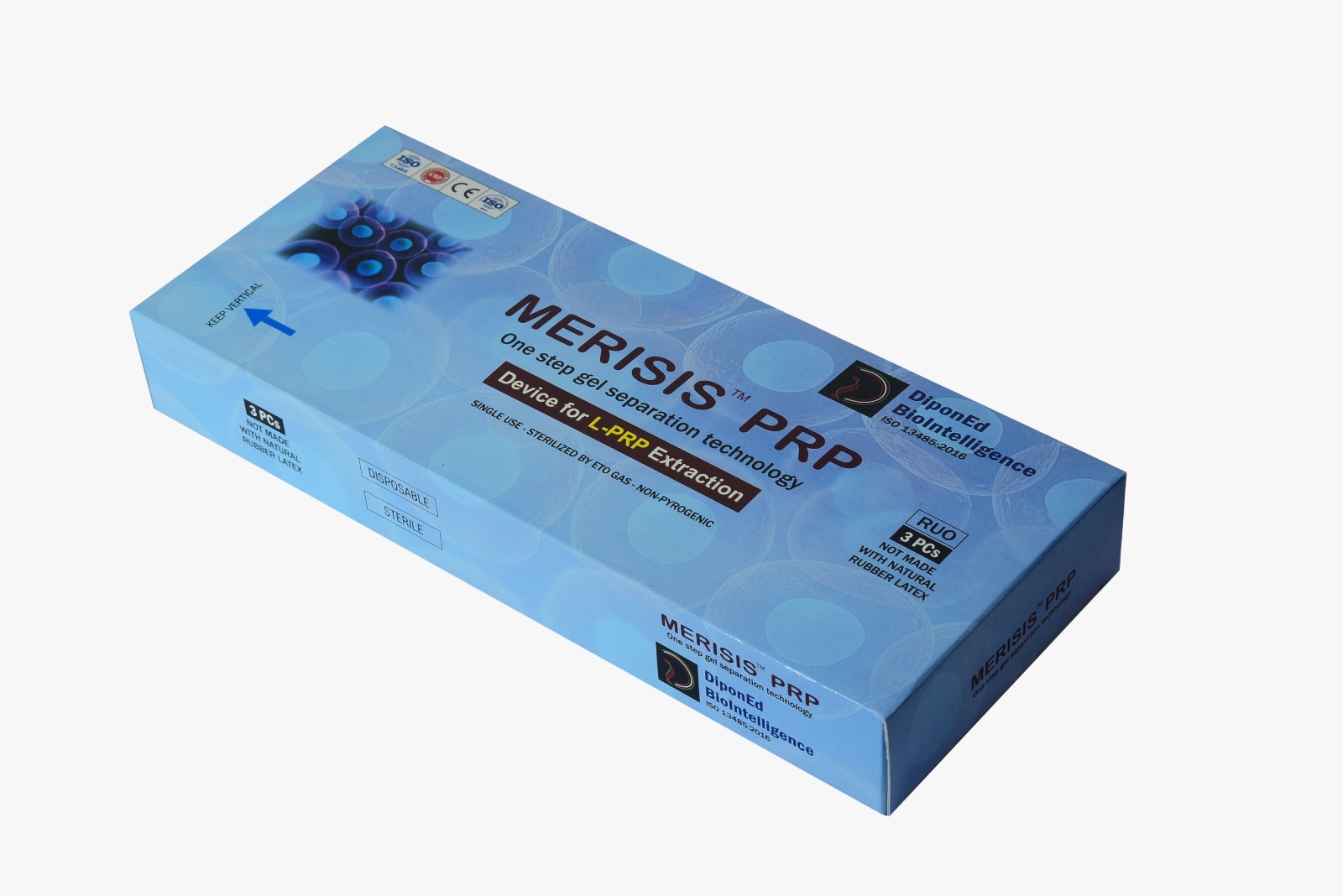
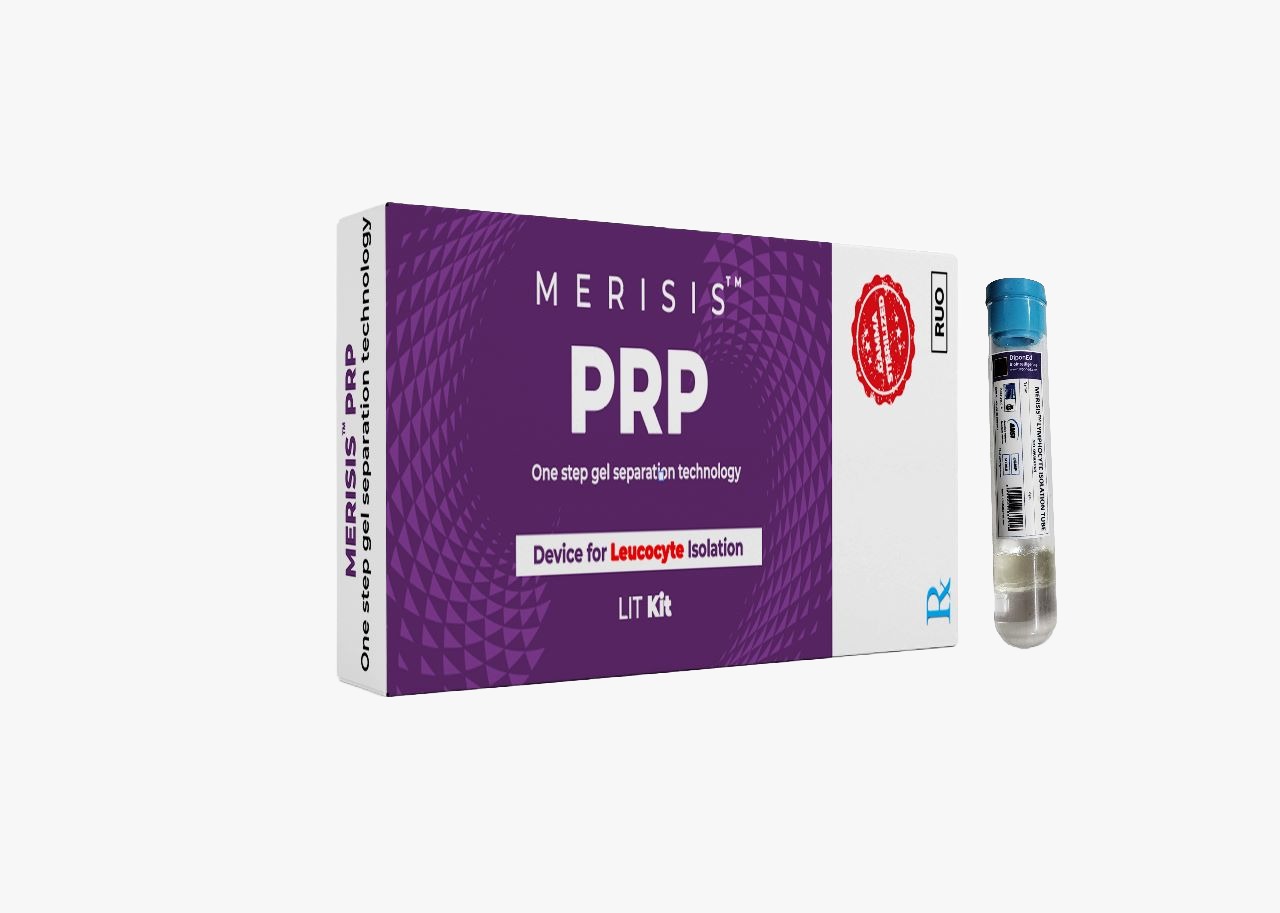
- A blood sample is drawn from the patient usually just a few millilitres. This is placed into a specially designed PRP kit and spun in a centrifuge. The centrifuge separates the blood into layers, and the platelet-rich portion is carefully extracted using the components of the kit.
- This concentrated plasma is then either infused into the uterine cavity (for endometrial preparation) or injected into the ovarian tissue (for ovarian rejuvenation), depending on the clinical goal.
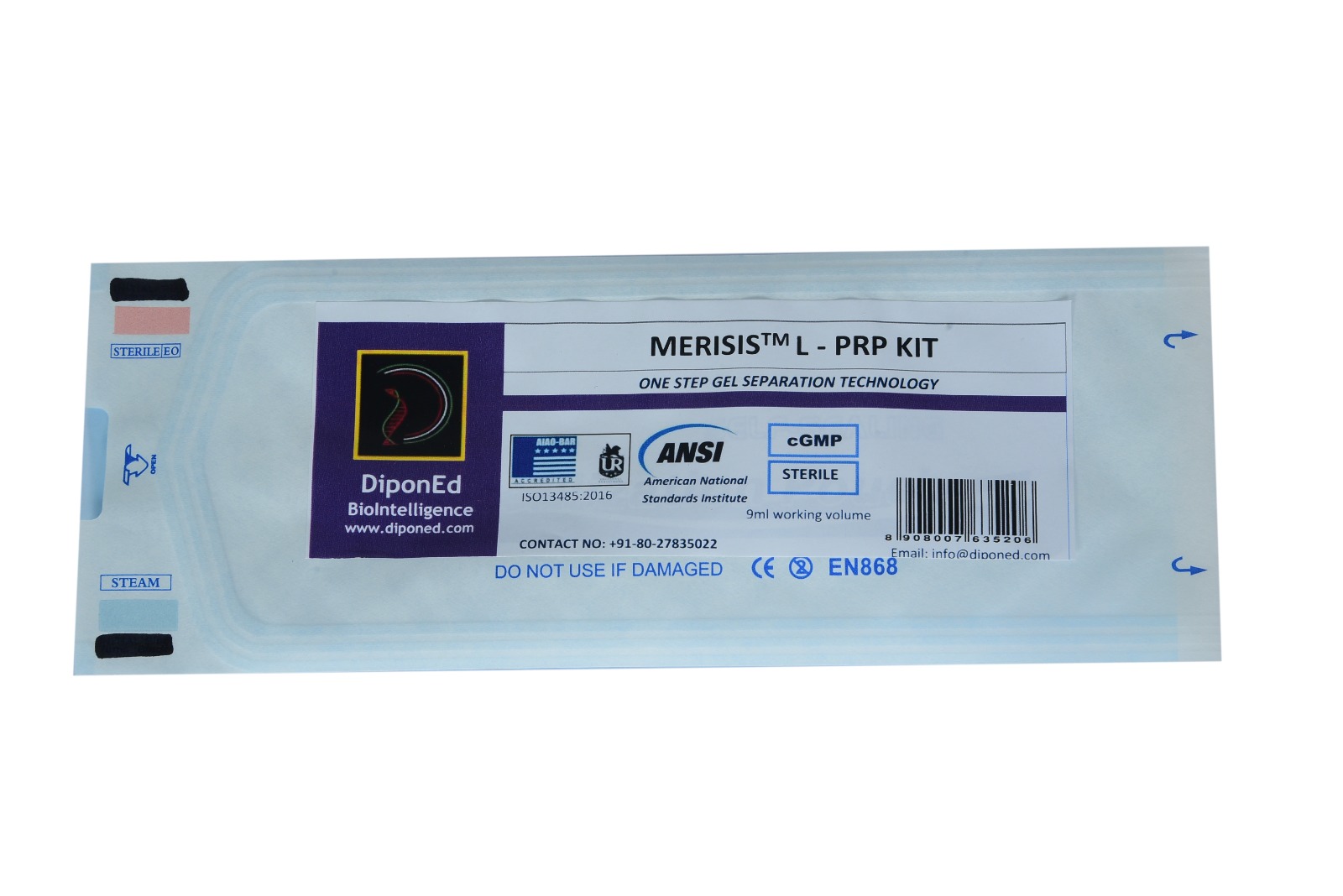
- The quality of the PRP kit matters enormously here. A good kit ensures a consistent, high-concentration yield of platelets, sterile processing, and reproducible results. This is not an area where clinics want to cut corners the quality of the kit directly affects the quality of the therapy.
What the Research Says About PRP Success in IVF Treatment
- The evidence is building steadily. Multiple studies have shown that PRP success in IVF treatment is particularly notable in patients with thin endometrium. A 2019 study published in a peer-reviewed fertility journal showed that intrauterine PRP infusion significantly improved endometrial thickness and clinical pregnancy rates in women who had previously failed to achieve adequate lining thickness with standard protocols.
- Other research has looked at ovarian PRP and shown early signals of improved follicle counts and hormonal markers in women with diminished reserve though this area needs more large-scale trials before it becomes standard of care.
- What clinics are consistently reporting, however, is this: for patients who had no other good options, PRP success in IVF treatment is real, measurable, and meaningful.
A Note for Clinics Considering PRP
- If you’re a fertility specialist or clinic administrator reading this, here’s something worth considering. Introducing PRP into your IVF workflow doesn’t require a complete overhaul. It’s an add-on to existing cycles. The training required is manageable, the kits are purpose-designed for ease of use, and the patient population that benefits is significant.
- The key is sourcing reliable, high-quality PRP kits. The centrifuge protocol, the separation tubes, the sterility of the entire process all of this depends on the quality of the kit you use. Work with a trusted supplier who understands the specific requirements of fertility medicine, not just general medical PRP applications.
Choosing the Right PRP Kit for Advanced IVF Treatments
IVF is one of the most hopeful yet heartbreaking journeys people go through. As clinicians and healthcare providers, every tool that genuinely improves outcomes is worth taking seriously. PRP isn’t a miracle cure but for the right patients, it can be the difference between another failed cycle and a successful pregnancy. The benefits of PRP therapy are real. The science is growing. And the clinics that are adopting it today are positioning themselves at the forefront of modern fertility care.
For clinics and healthcare providers across India looking to incorporate PRP into their IVF protocols Global Fertility Solutions is the trusted distributor and supplier of high-quality PRP kits. We supply across India, ensuring clinics get reliable, clinically-grade products with the support they need. Reach out to learn more about product range and availability.